Source Modern Furniture Confirmat Screw for Cabinets, Tables, and Shelves
Source modern furniture confirmat screw from 30 verified listings. Compare hex socket head options in stainless steel or carbon steel, available in M6-M10 thread sizes and customized lengths for cabinets, tables, and shelves; compare the available evidence and request quotations based on your requirements.
Key considerations
Products List
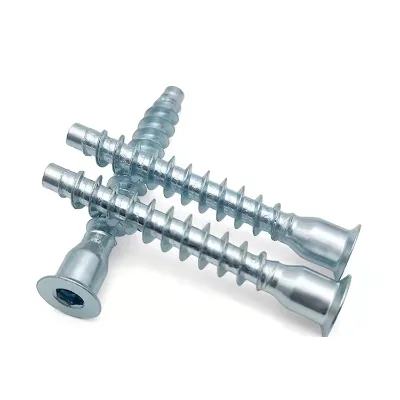
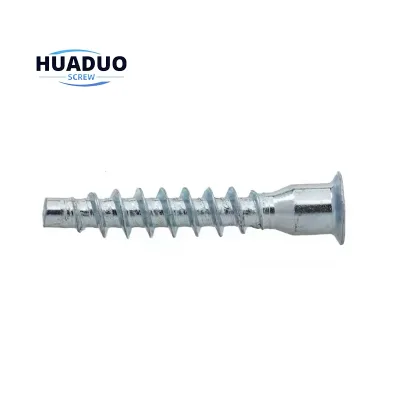
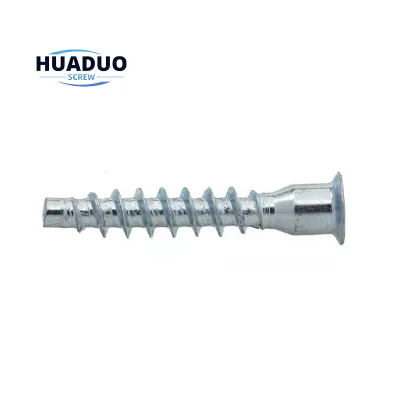
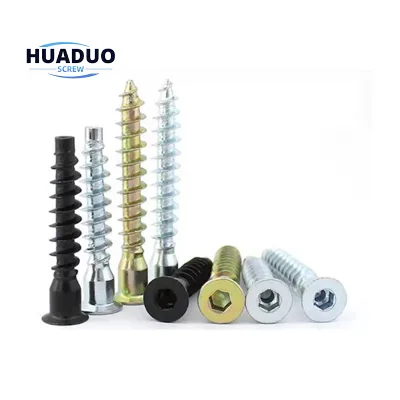
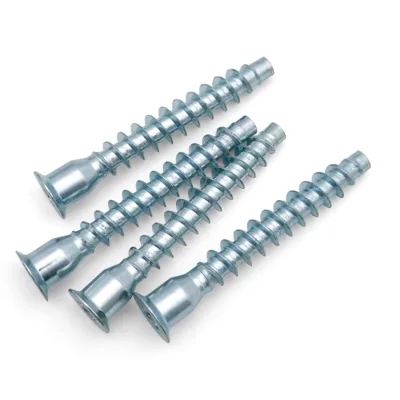

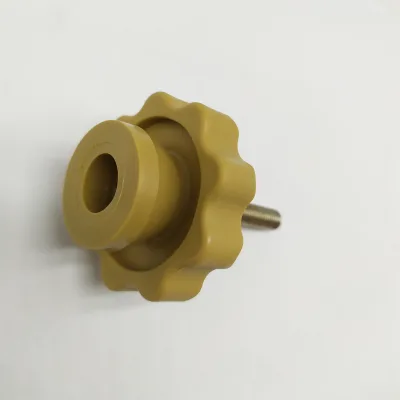


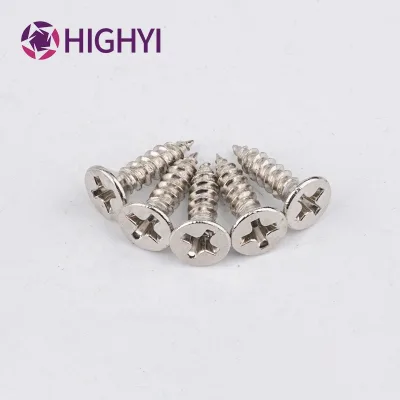
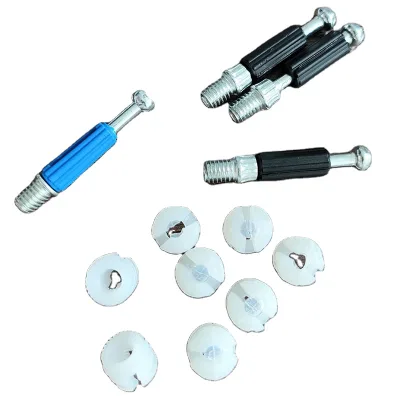

Comprehensive Sourcing Guide
Modern Furniture Confirmat Screw Sourcing Guide
Sourcing modern furniture confirmat screws requires a precise understanding of their dual role in structural integrity and aesthetic finish. These fasteners are engineered to join wood panels with high shear strength, making them indispensable in flat-pack and custom cabinetry. Buyers must distinguish between standard machine screws and specialized confirmat designs, which often feature a unique thread profile optimized for particleboard and MDF substrates. The market offers a wide array of options, from basic zinc-plated steel to premium stainless steel variants, each catering to different environmental and load-bearing requirements.
The procurement process is heavily influenced by customization needs and volume commitments. Suppliers frequently offer tailored solutions for length, thread size, and head style, allowing for precise engineering integration into furniture designs. However, this flexibility introduces complexity in quality control and supply chain management. Buyers should prioritize suppliers who demonstrate consistent manufacturing capabilities across varied specifications, ensuring that every batch meets the rigorous tolerances required for seamless assembly. Understanding these nuances is critical for maintaining product quality and operational efficiency in furniture manufacturing.
Product Scope and Observed Listing Signals
The current market landscape for confirmat screws reveals a diverse range of product attributes, with observed prices spanning from $0.01 to $3.98 per unit. This wide variance reflects differences in material quality, surface treatment, and order volume. Minimum order quantities (MOQs) are equally variable, ranging from single units for sampling to 100,000 pieces for large-scale industrial contracts. Buyers should interpret these signals as indicators of supplier scale and flexibility, rather than absolute benchmarks for all potential partners. High-volume discounts are common, but they require careful inventory planning to avoid storage costs and obsolescence risks.
Product listings frequently highlight specific brand names such as HUADUO and wangsheng, alongside generic descriptors like "furniture confirmat screw" or "hex socket head cap." Materials listed include stainless steel, carbon steel, brass, copper, and even niche options like titanium and nylon, though steel variants dominate the structural applications. Surface treatments are equally varied, with zinc plating, black oxide, chrome plating, and blue-dyed finishes being prevalent. These finishes not only provide corrosion resistance but also contribute to the visual appeal of exposed fasteners in modern furniture designs.
Technical Specifications to Verify
Verifying technical specifications is paramount to ensuring compatibility with existing furniture designs and assembly processes. Key attributes to confirm include thread size, which typically ranges from M6 to M10, with M7 being a common customized option. Lengths are equally critical, with standard offerings including 10mm, 50mm, 55mm, 80mm, and 100mm, though customized lengths are widely available. Buyers must ensure that the selected screw length accommodates the total thickness of the joined materials while providing sufficient thread engagement for optimal holding power. Incorrect length selection can lead to structural failure or visible protrusion.
Head style and drive type are equally important considerations, with hex, flat, and pozi heads being common configurations. The choice of head style affects both the aesthetic outcome and the ease of installation. Hex heads offer superior torque transmission, reducing the risk of cam-out during high-torque applications, while flat heads provide a flush finish suitable for visible surfaces. Additionally, the measurement system, whether metric or inch, must align with the broader component ecosystem. Buyers should request detailed technical drawings and sample pieces to validate these specifications before committing to large orders, ensuring that the screws integrate seamlessly into the assembly line.
Compliance and Safety Documentation
While specific certification statuses are not universally disclosed in all listings, buyers must ensure that suppliers can provide relevant compliance documentation upon request. This includes material test reports verifying the grade of steel, such as Class 4.8 or 6.8, which indicate tensile strength and hardness. For furniture applications, compliance with international safety standards regarding chemical emissions, particularly from surface treatments like zinc or cadmium plating, is essential. Buyers should verify that the supplier adheres to REACH or RoHS regulations if the furniture is destined for markets with strict environmental controls.
Documentation should also cover the manufacturing process and quality control protocols. Suppliers should be able to demonstrate adherence to recognized standards such as DIN or GB, which govern the dimensions and performance of fasteners. Buyers must request certificates of conformity and batch-specific test results to ensure consistency across shipments. This due diligence mitigates the risk of receiving substandard products that could compromise the structural integrity of the furniture. Establishing a clear requirement for documentation early in the sourcing process helps filter out suppliers who cannot meet these critical compliance benchmarks.
Cost Drivers and Commercial Terms
Several factors influence the final cost of confirmat screws, with material composition and surface treatment being primary drivers. Stainless steel and brass variants command higher prices due to their superior corrosion resistance and aesthetic qualities, while carbon steel options are more cost-effective for indoor, dry environments. Surface treatments like zinc-flake coating or chrome plating add to the cost but provide enhanced durability. Buyers should evaluate the total cost of ownership, considering not just the unit price but also the potential for reduced warranty claims and maintenance costs associated with higher-quality finishes.
Commercial terms, including MOQs and payment conditions, significantly impact procurement strategy. Suppliers may offer free samples to facilitate testing, but bulk orders often require substantial upfront commitments, with MOQs ranging from 10,000 to 50,000 pieces. Buyers should negotiate flexible terms that allow for gradual scaling of orders as production demands evolve. Additionally, packaging options, from small cartons to palletized shipments, affect logistics costs and handling efficiency. Understanding these commercial dynamics enables buyers to optimize their procurement strategy, balancing cost savings with supply chain reliability and flexibility.
Supplier Qualification and Quality Control
Qualifying suppliers requires a thorough assessment of their manufacturing capabilities and quality assurance systems. Buyers should prioritize suppliers with a proven track record in producing furniture fasteners, as evidenced by their product portfolios and customer references. The presence of specialized equipment for thread rolling, heat treatment, and surface finishing is a strong indicator of technical competence. Suppliers who offer customized solutions, such as specific lengths or head styles, demonstrate the flexibility needed to meet diverse design requirements. However, customization should not come at the expense of consistency, making quality control processes a critical evaluation point.
Quality control measures should include rigorous inspection protocols for dimensions, thread pitch, and surface finish. Buyers should request information on the supplier’s defect rate and their procedures for handling non-conforming products. Regular audits of the manufacturing facility can provide insights into the supplier’s commitment to quality and continuous improvement. Additionally, suppliers who offer sample services allow buyers to physically verify the product’s quality before committing to large orders. Establishing a robust supplier qualification process helps mitigate risks associated with inconsistent product quality and ensures a reliable supply chain for furniture manufacturing.
Long-Term Procurement Checks
Long-term procurement success depends on establishing ongoing performance metrics and regular supplier reviews. Buyers should track key performance indicators such as on-time delivery rates, defect rates, and responsiveness to quality issues. Regular communication with suppliers helps identify potential problems early, allowing for proactive resolution before they impact production schedules. Suppliers who demonstrate a commitment to continuous improvement and adaptability to changing market conditions are valuable long-term partners. Buyers should also monitor market trends and technological advancements in fastener technology to ensure their sourcing strategy remains competitive and efficient.
Supply chain resilience is another critical aspect of long-term procurement. Buyers should diversify their supplier base to mitigate risks associated with single-source dependencies, particularly for critical components like confirmat screws. Maintaining a buffer stock of essential fasteners can help absorb disruptions in supply, ensuring uninterrupted production. Additionally, buyers should regularly review and update their technical specifications to align with evolving furniture design trends and material innovations. By fostering strong, collaborative relationships with suppliers and maintaining a proactive approach to supply chain management, buyers can secure a reliable and cost-effective source of high-quality furniture confirmat screws.
FAQs
What materials are available for modern furniture confirmat screws?
These screws are available in stainless steel, carbon steel, brass, copper, aluminum, and nylon. The specific material depends on the required corrosion resistance and strength. Buyers can select from options like zinc-plated steel or plain stainless steel to match their furniture application needs.
Which head styles are offered for these wood screws?
The product page lists flat head and hex head styles for these screws. Some listings also mention Pozi head options. The hex socket head design allows for secure driving with an Allen key, while flat heads provide a flush finish for visible furniture surfaces.
How can I customize the length of the confirmat screw?
Customized lengths ranging from 10mm to 100mm are available for these screws. Specific standard lengths include 10mm, 50mm, 55mm, 80mm, and 100mm. Buyers can request specific dimensions to fit their furniture assembly requirements while maintaining standard thread sizes like M7.
What surface treatments are applied to these metal screws?
Surface treatments include zinc plating, black oxide, chrome plating, and blue anodized finishes. Other options are cadmium plating, zinc-aluminum coating, and plain finishes. These treatments enhance corrosion resistance and aesthetic appeal for various indoor and outdoor furniture applications.
Can I get free samples of the furniture connecting screws?
Free sample services are available for buyers to test product quality before placing large orders. This allows verification of thread type, head style, and material grade. Buyers should contact suppliers directly to arrange sample requests and confirm shipping terms for the initial evaluation.
What is the minimum order quantity for these screws?
Minimum order quantities vary between 10,000 and 50,000 pieces depending on the supplier. Some listings indicate an MOQ of 10,000 pieces while others require 50,000. Buyers should negotiate based on their specific volume needs and the customization level required for their furniture project.
Which standards do these screws comply with?
These screws comply with DIN and GB standards for dimensional and performance consistency. The thread type is standard coarse thread suitable for wood applications. Compliance with these standards ensures reliable load-bearing capacity and compatibility with standard furniture assembly tools and components.